
Sunday, May 31, 2026
What TrackWrestling Still Does Well, And Where the Gaps Live

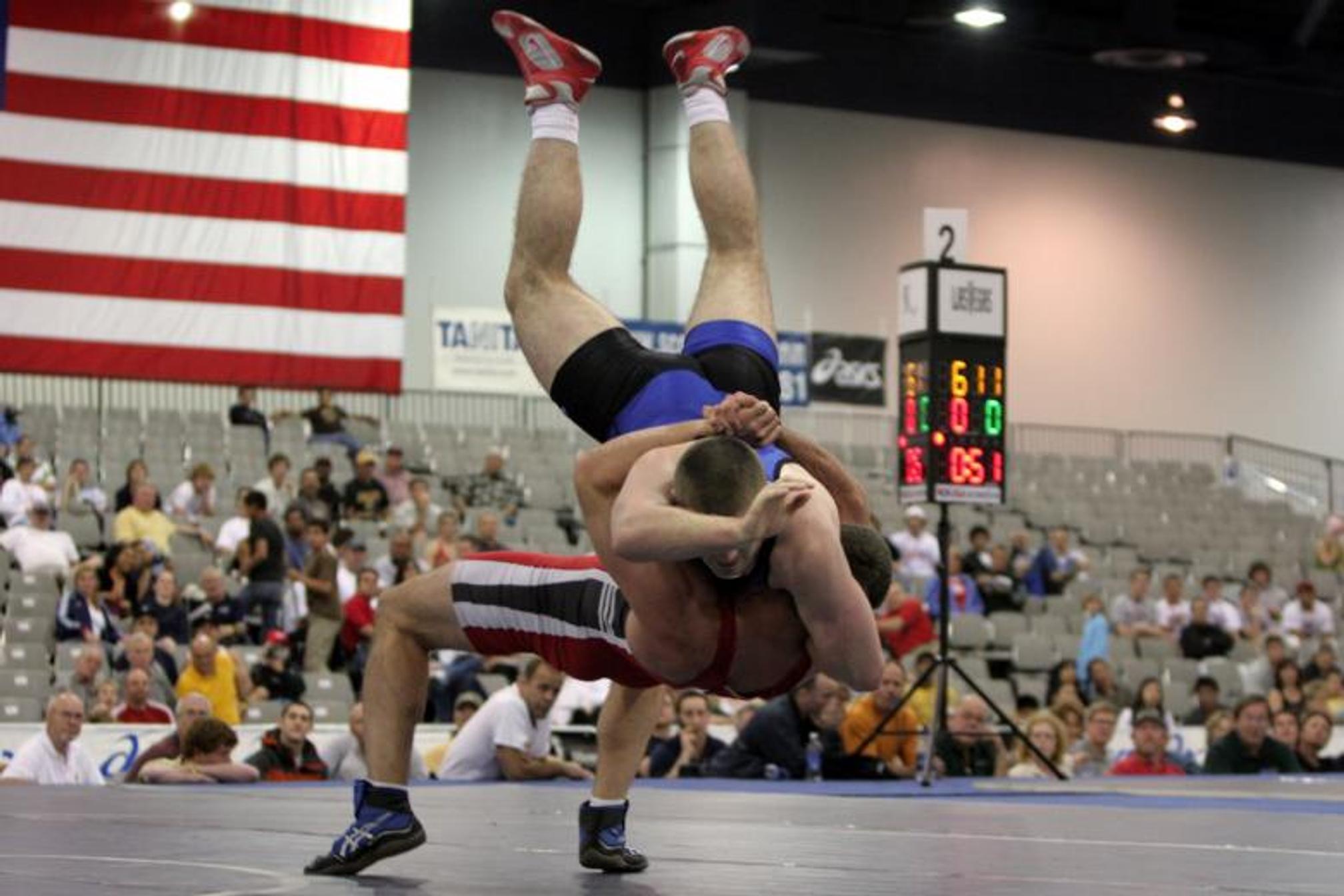
Most coaches don't pick TrackWrestling. They inherit it.
A regional director set it up years ago. A predecessor wired it into the school's process. Conference rules made it the de facto roster of record. By the time a new head coach gets the keys, the question isn't whether to use TrackWrestling. It's how to keep it running and what to bolt around it.
That's a fine starting point. TrackWrestling has earned its slot in the stack. But "I inherited it" is not a strategy. A lot of coaches have never sat down and asked what TrackWrestling actually does well and where the gaps quietly cost them hours.
Here is a clear-eyed read, written for a working head coach who already lives in the platform.
What TrackWrestling does well
Brackets and live scoring. This is the workhorse and the reason TrackWrestling won the category. Tournament brackets generate fast, bouts update live, results push to followers and rankings. If your conference or section runs through TrackWrestling, you do not want to be the program that says "let's try something else." The integration tax is real.
Roster of record across the season. Athlete profile, weight certification history, and eligibility status live in one place that other systems read from. When IHSA or your state association needs a clean list, you can produce one. That's not glamorous, but it removes a category of error that used to live in spreadsheets.
Public visibility. Parents, scouts, and college recruiters use TrackWrestling to find results. For most high school programs, this is the closest thing to a free PR engine the sport has. Match results that post to TrackWrestling get found. Match results that live in a coach's notebook don't.
Stats integration with MatBoss. If your program runs MatBoss for video and stats, the TrackWrestling sync is the reason the workflow holds together at all. Take that integration out and the two-system stack stops being worth it.
Where the gaps live
This is the part most coaches feel but rarely name.
Day-to-day team operations. TrackWrestling was built around tournaments and results. It was not built around the weekly rhythm of a high school program. Practice plans, weight progression checks during the week, parent comms, lineup decisions for next Tuesday's dual, the running list of who has a chemistry test on tournament day. None of that lives in TrackWrestling. It lives in your phone, your truck, and your group chat.
Team-internal communication. TrackWrestling does not solve parent communication, and it doesn't try. That gap is why most programs end up in BAND or TeamSnap or a coach-run group text, which then opens its own SafeSport and recordkeeping problems. The roster lives in one place, the conversation about the roster lives in another, and the two never reconcile.
Workflow context around decisions. When a wrestler bumps a weight class, the decision lives in your head. The downstream changes (practice partner pairings, parent notification, the AD's eligibility check, the bus list) happen in a half-dozen places. TrackWrestling reflects the decision after the fact. It doesn't help you make it or push it through your week.
Reporting your AD actually wants. Athletic directors want roster counts, participation hours, eligibility status, and budget signal. TrackWrestling will get you partway there with effort, but the report you end up handing your AD is almost always something you built yourself in Google Sheets. That's a tell.
Mobile-first daily workflows. TrackWrestling has improved here, but the daily working surface for a coach in a gym at 6 a.m. is still a phone keyboard and a tab they wish were a button. The platform is most coaches' tournament tool, not their daily driver.
How to think about the stack around TrackWrestling
The honest read: TrackWrestling is a roster and results system that won the category for legitimate reasons. It is not going anywhere, and you probably should not try to push it out. The work is building the rest of the stack around it without ending up in seven tools that don't talk to each other.
A few questions to pressure-test your setup:
- Where do practice plans live? If the answer is "a binder and a group chat," that's a gap.
- Where do parent comms live? If the answer is "BAND and a private group text," that's a SafeSport audit waiting to happen.
- Where do lineup decisions get tracked through to bus lists, parent notifications, and AD eligibility? If the answer is "in my head," that's the gap that breaks in February.
- Where does your AD's weekly view come from? If you're rebuilding it from scratch every Friday, that's the gap that costs you the most time.
None of these gaps mean TrackWrestling is the wrong tool. They mean it's not the only tool, and the question is what you put around it.
A simple rule for what to add and what to keep
When coaches ask us where to start cleaning up the stack, we use one rule.
Anything that decides who is on the mat, who is on the bus, or who is in the room stays in one system.
Eligibility status, weight class assignments, lineup decisions, bus lists, attendance, parent-of-record contact for the wrestler on the mat. That information should not live in three places. If it does, the system that has the most accurate copy is your roster of record, and the others are stale by definition.
For most programs, TrackWrestling is the roster of record for tournament-day eligibility. Everything else is a candidate for consolidation: practice attendance, parent comms, weight progression, AD reporting, the bus list. Those are the surfaces where one platform that knows your roster can replace three platforms that guess at it.
The cleanest mental model is to draw a line. On one side of the line is TrackWrestling, doing what TrackWrestling does best. On the other side is the rest of your week. The question is not "what replaces TrackWrestling." The question is "what replaces the binder, the group chat, the spreadsheet, and the Friday afternoon scramble to assemble the AD's report."
What we're building toward
We're building Scorecrypt to live in those gaps. Not to replace TrackWrestling, but to make the rest of your week work the way TrackWrestling makes your tournament work.
Scorecrypt is a wrestling program management platform launching August 2026. It consolidates the five to seven tools that fill the gaps above into one system. SafeSport-compliant communications by default. Weight management workflows that survive February. AD-ready reporting from a single dashboard. Founding Member pricing for the first 100 programs starts at $99 per year for Core, $199 for Plus, $399 for Complete.
If you're a coach inheriting a stack and trying to figure out what to keep and what to replace, get on the early access list. We're shipping three working tools through the summer (a preseason setup checklist, a SafeSport communication audit, and a tool stack cost calculator) and one short post a week like this one.
Founding Member · Limited to 100
Lock founding pricing for Year 1.
- Core
- $99
- Plus
- $199
- Complete
- $399
per year
The first 100 programs to sign up lock founding-member pricing for their first year. After Year 1, pricing follows the published rate card.
Live scoreboard